 By admin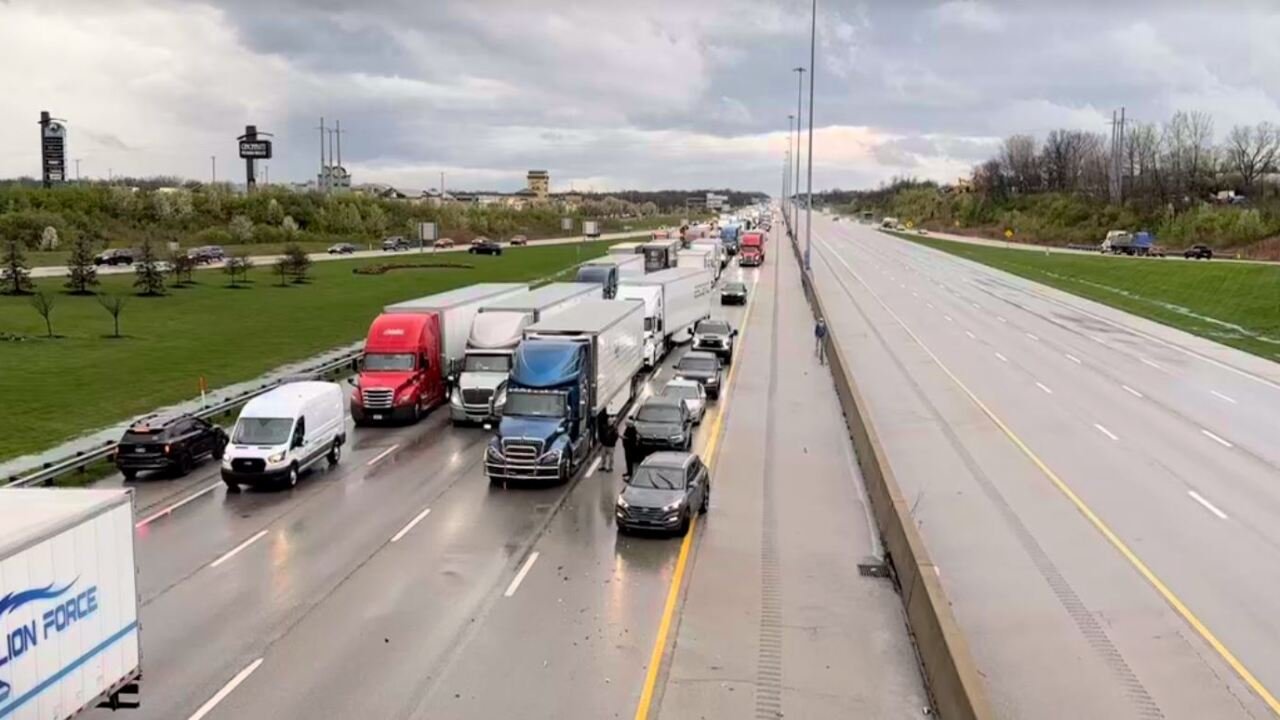
Overview of the I-75 Power Line Shutdown
The I-75 power line shutdown refers to a significant interruption in electrical service that recently occurred along the I-75 corridor, which is a major highway running through multiple states. This incident arose due to a combination of factors, including adverse weather conditions, aging infrastructure, and a surge in demand for electricity. The shutdown sparked concerns among residents and businesses alike, as it directly impacted both transportation and power distribution in the region.
Initial reports indicated that the shutdown was unexpected and caused widespread disruption. Power outages were noted in several municipalities, leading to traffic delays and logistical complications. The affected areas saw a temporary halt in services, which highlighted the dependency of local communities on reliable power sources. Local authorities worked quickly to coordinate responses, attempting to restore power and clear up traffic issues while addressing the concerns of the public.
The scope of the I-75 power line shutdown extended beyond mere inconvenience; it raised larger questions about the resilience of infrastructure in the face of growing demand and unpredictable environmental factors. Utilities have been under increasing pressure to modernize their systems to prevent such incidents from recurring. Ongoing dialogues with the community emphasized the need for sustained investment in maintaining and upgrading electrical lines, particularly those that service high-traffic routes like I-75.
As the situation unfolds, stakeholders are closely monitoring its impact on local economies and infrastructure reliability. The I-75 power line shutdown serves as a critical case study for understanding the intersection of energy distribution and transportation infrastructure, emphasizing the vulnerabilities present in our current systems.
Impacts on Traffic and Local Communities
The I-75 power line shutdown has led to significant changes in traffic patterns, directly affecting both commuters and local residents. As one of the main thoroughfares in the region, the disruption has necessitated the implementation of various detours, resulting in increased travel times and congestion in alternate routes. Local authorities initiated construction detours to redirect vehicles, which has contributed to a ripple effect through surrounding roads, often leading to unexpected bottlenecks during peak hours.
Furthermore, the power line shutdown has posed challenges for safety management. With heavy traffic diverted from I-75, there has been a heightened need for increased signage and traffic control personnel to ensure the safety of both drivers and pedestrians. Some areas have reported an uptick in minor accidents, prompting local officials to assess road conditions and identify areas requiring safety enhancements. These adjustments underscore the significant pressure on local infrastructure in the face of the shutdown.
In essence, the I-75 power line shutdown extends its impact into the fabric of surrounding communities. Understanding these challenges is crucial for a comprehensive response that both addresses immediate traffic concerns and mitigates long-term economic repercussions for local businesses.
Restoration Efforts and Timeline
The I-75 power line shutdown has prompted a coordinated response from various utility companies and state authorities tasked with restoring power and infrastructure affected by the disruption. Initial assessments were conducted immediately following the incident to evaluate the extent of the damage and identify priority areas for restoration. Utility companies mobilized their resources in the aftermath, deploying teams to inspect the downed lines and rectify any underlying issues.
In the first 24 hours following the power line shutdown, emergency response teams worked tirelessly to restore services to critical facilities, including hospitals and emergency services. This rapid response was crucial in mitigating any potential fallout from the outage. By the end of the first week, repairs to major transmission lines were underway, ensuring that power could be rerouted as necessary. Throughout this phase, utility companies maintained open lines of communication with local authorities to effectively coordinate their efforts.
Challenges, such as adverse weather conditions and accessibility issues, slowed progress during the restoration timeline. Nevertheless, the collaboration between governmental agencies and private companies proved pivotal in overcoming these obstacles. Numerous stakeholders, including engineering firms and electricians, were brought in to expedite the recovery efforts, showcasing the importance of collaboration in such situations.
As of the third week following the I-75 power line shutdown, significant progress has been made. Approximately 80% of the affected areas have had power restored, with the remaining zones anticipated to be back online shortly. The teams are also implementing preventive measures to avoid future outages, demonstrating a forward-thinking approach in addressing infrastructure challenges. This comprehensive strategy not only facilitates immediate recovery but also strengthens the resilience of the power grid. In conclusion, the strategic partnerships formed and the systematic restoration efforts reflect a committed response to this infrastructure incident.
Looking Ahead: Future Precautions and Improvements
The recent I-75 power line shutdown has underscored the critical importance of robust infrastructure and effective planning. As communities reflect on this incident, several lessons emerge that can guide future improvements. One significant takeaway is the need for comprehensive risk assessments that take into account not only existing infrastructure but also the growing demands of urban development and natural events. By evaluating potential vulnerabilities within power systems, authorities can prioritize modifications that enhance reliability and safety.
Future precautions should involve investing in advanced monitoring technologies. Smart sensors and real-time data analytics can help detect anomalies in the power supply, facilitating early intervention before situations escalate. The integration of these technologies could serve as a dual benefit: ensuring continuous power supply while also minimizing disruptions to everyday life. Such innovations would be an essential component of a proactive strategy aimed at averting another I-75 power line shutdown scenario.
Moreover, community engagement plays a pivotal role in enhancing infrastructure resilience. Local authorities should advocate for open lines of communication, allowing residents to report issues and express concerns. Feedback from communities can be invaluable in shaping the strategic direction of infrastructure projects and ensuring that public safety remains a top priority. In addition, regular community meetings and informational sessions can help raise awareness about the importance of infrastructure maintenance.
As we look forward, it is crucial for policymakers and industry leaders to collaborate on developing guidelines that encompass both new construction and retrofitting of existing structures. In doing so, they can ensure that infrastructure evolves alongside the needs of the community, ultimately promoting reliability and safety. As participants in this discussion, readers are encouraged to share their views on strategies that can improve infrastructure reliability and safeguard their communities from future disturbances.