 By admin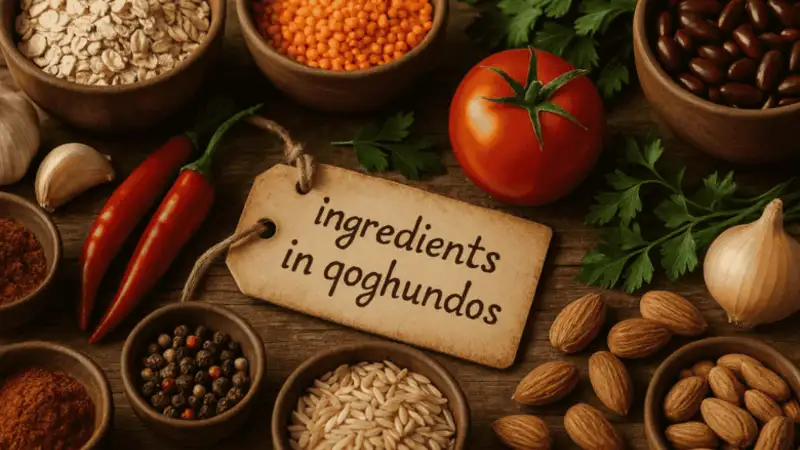
The Basics of Qoghundos: Understanding Its Composition
Qoghundos, a traditional food item originating from Central Asia, has gained popularity for its unique flavor and potential health benefits. Typically consumed in various forms, this dish is crafted using a blend of local ingredients that have been cherished for generations. Commonly, Qoghundos is made from a variety of grains, herbs, and spices, creating a rich and complex profile that many find appealing. Understanding the individual components of Qoghundos is essential in evaluating its overall healthiness and the role those ingredients play in nutrition.
Historically, Qoghundos was a staple in the diets of nomadic cultures, as it provides a hearty, nutritious meal option that could be easily transported. The primary ingredients in Qoghundos often include grains such as barley and wheat, which are known for their fiber content and energy-providing properties. Additionally, herbs like cilantro and dill are frequently incorporated, not only for flavor but also for their antioxidant effects. The inclusion of various spices enhances the dish’s taste while also contributing potential health benefits.
Beyond grains and greens, Qoghundos sometimes features legumes, such as lentils or chickpeas. These ingredients enrich the dish with protein and essential vitamins, making Qoghundos a well-rounded nutritional choice. It is important to note that while Qoghundos is revered for its taste, the health implications of its ingredients can vary based on individual dietary needs and preferences.
As we delve deeper into the discussion surrounding Qoghundos, it becomes crucial to assess whether the ingredients in Qoghundos are, indeed, good for one’s health. This analysis will lay the groundwork for better understanding how these components contribute to one’s overall well-being.
Nutritional Analysis: Are the Ingredients in Qoghundos Beneficial?
Qoghundos, a dish frequently enjoyed in various cultures, comprises a diverse collection of ingredients that contribute to its unique flavor profile and nutritional value. The question arises: are the ingredients in Qoghundos good for you? To explore this, we will analyze the main components of Qoghundos, their health benefits, potential risks, and recommended serving sizes.
Common ingredients in Qoghundos include lentils, spices, grains, and vegetables. Lentils are a staple in this dish, known for their rich protein content and dietary fiber, which can enhance digestion and support heart health. They are also low in fat, making them a beneficial component for those managing their weight. However, it is crucial to consume them in moderation, as excessive intake may lead to bloating for some individuals.
Spices such as turmeric, cumin, and coriander are often included in the recipe, which not only elevate the flavor but also provide anti-inflammatory and antioxidant properties. These spices can have positive impacts on metabolic health and may aid in regulating blood sugar levels. Nevertheless, people with sensitivities to certain spices should exercise caution, as they might experience adverse reactions.
Grains like rice or bulgur frequently appear in Qoghundos, offering complex carbohydrates that serve as a vital energy source. They also contribute various micronutrients that are essential for overall health. Incorporating whole grains instead of refined ones can enhance the dish’s nutritional profile further, as they tend to have a higher fiber content.
Vegetables add freshness and an array of vitamins and minerals. Leafy greens or other vegetables not only boost the nutrient density but can also help reduce the caloric content of the meal. When considering the overall picture, the health implications of the ingredients in Qoghundos can be largely positive if consumed in balanced portions.
In conclusion, the ingredients in Qoghundos generally offer significant nutritional benefits, addressing the question of whether these components are good for you. Adopting a mindful approach to serving sizes and ingredient selection can maximize the healthfulness of this traditional dish.
Cultural Perspectives: The Role of Qoghundos in Traditional Diets
Qoghundos, a dish with deep roots in certain cultural cuisines, showcases a rich tapestry of flavors and ingredients that are emblematic of the regions from which they originate. Historically, the ingredients in Qoghundos have been integral to traditional diets, often reflecting not just nutritional benefits but also cultural identities and values. In many cultures, food is more than sustenance; it is a vehicle for social connection, celebration, and ritual.
One must recognize that the significance of the ingredients used in Qoghundos is often intertwined with cultural beliefs related to health and well-being. For instance, in some communities, specific components are believed to possess medicinal properties, thereby enhancing the perceived value of Qoghundos as a health-promoting meal. Ingredients with such historical significance are generally deemed as contributors to both physical and mental health, raising the question: are the ingredients in Qoghundos good for you?
Moreover, traditional diets often emphasize a holistic approach to nutrition, viewing each ingredient as a component of a balanced lifestyle rather than merely a source of calories. The inclusion of various elements in Qoghundos not only diversifies flavors but also maximizes potential health benefits, aligning with many cultural philosophies that advocate for a diversified and wholesome dietary intake. In cultures where Qoghundos is a staple, the balance of ingredients is seen as crucial to achieving overall health, supporting the notion that the combination of these ingredients can be beneficial.
As the world becomes more interconnected, the exchange of culinary traditions proliferates, allowing for an enriched understanding of how ingredients form an essential part of both cultural heritage and contemporary diets. This evolving narrative about Qoghundos and its components can help further assess its health implications, particularly whether the ingredients in Qoghundos are indeed advantageous for those who consume it.
Expert Opinions: What Nutritionists Say about Qoghundos
When evaluating whether the ingredients in Qoghundos are good for you, insights from nutritionists and health experts are invaluable. Experts generally emphasize the importance of examining each ingredient included in Qoghundos, considering their nutritional profiles and potential health benefits. For instance, many nutritionists highlight that Qoghundos often contain a mixture of wholesome ingredients, which can provide various vitamins and minerals essential for overall health. This diverse range of ingredients can contribute positively to one’s diet if consumed in moderation.
However, nutritionists also caution consumers to be aware of specific dietary concerns associated with some ingredients in Qoghundos. For example, the presence of high sugar levels or artificial additives can detract from the health benefits offered by its more wholesome constituents. Health professionals often recommend scrutinizing labels to ensure that the Qoghundos chosen do not contain excessive added sugars or preservatives that could outweigh the positive aspects of the other ingredients.
Moreover, many nutritionists suggest that the overall context of one’s diet plays a crucial role in determining whether the ingredients in Qoghundos are beneficial. For individuals following a balanced diet rich in fruits, vegetables, and whole grains, incorporating Qoghundos may offer an enjoyable treat without significantly impacting nutritional goals. In contrast, those with specific dietary restrictions or health conditions might need to exercise caution. Consequently, it is advisable for such individuals to consult with a healthcare provider or a registered dietitian before incorporating Qoghundos into their regular diet.
In conclusion, while many of the ingredients in Qoghundos can be deemed good, the key lies in moderation and the overall dietary pattern adopted by the individual. Nutritional wisdom suggests that understanding ingredient profiles will empower consumers to make informed choices about their food intake, thereby maximizing health benefits.